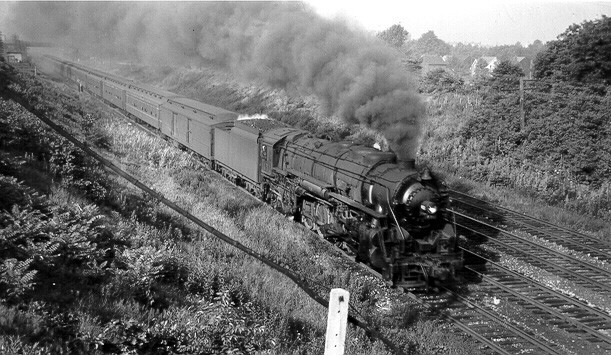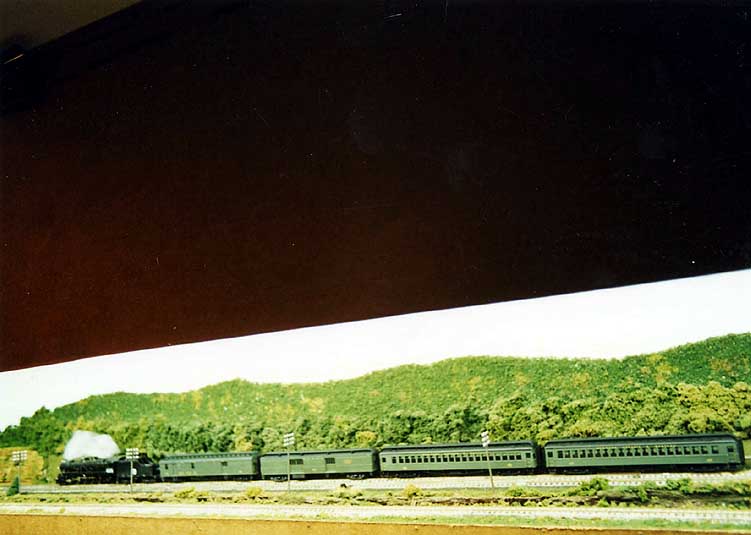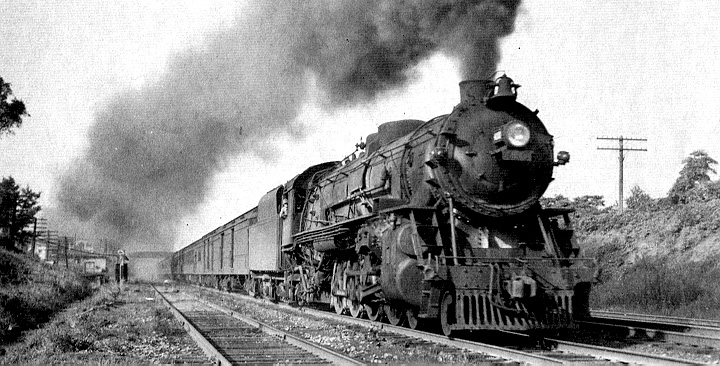
A string of leased ACL and Seaboard coaches filled with vacationers escaping the oppressive summer heat of the city
trail behind an O&W light Mountain as it lays down the cinders at Teaneck, NJ on August 11 1945.
STEAM ON AN O&W MODEL RAILWAY
by Marty Leukhardt
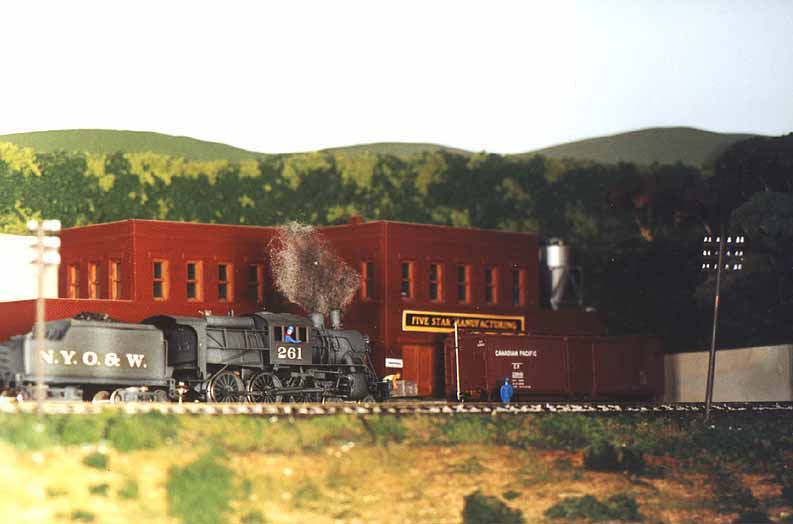
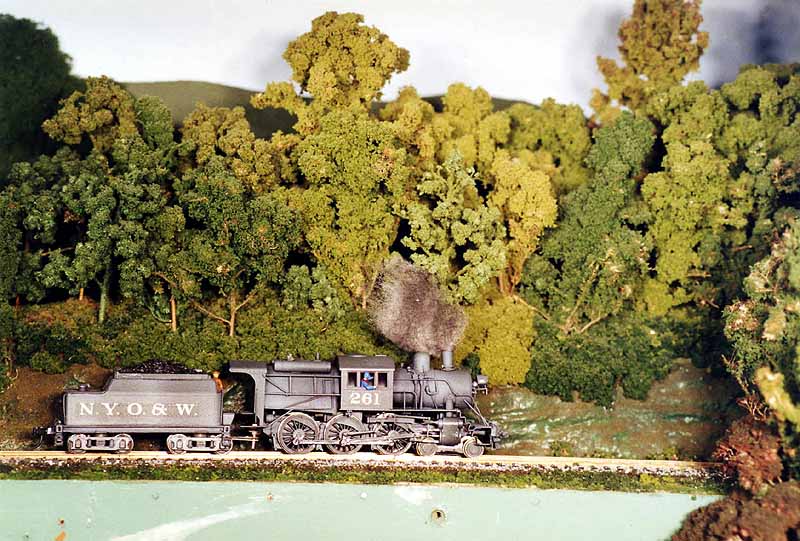
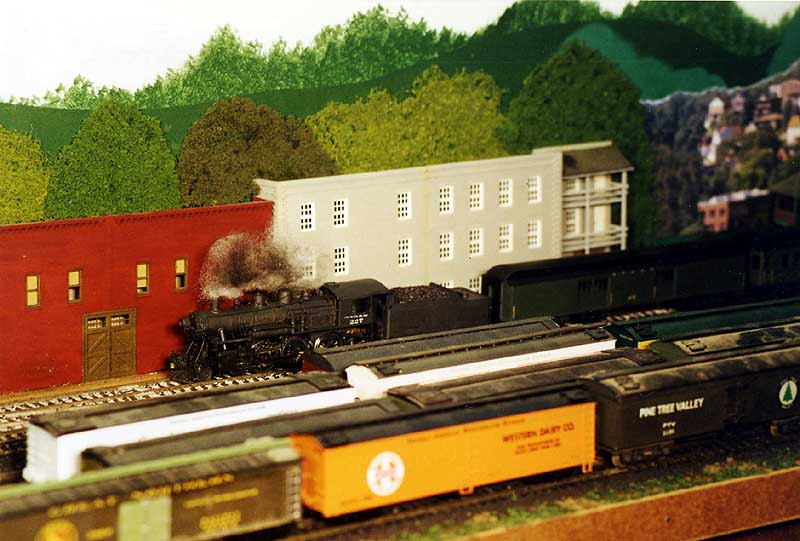
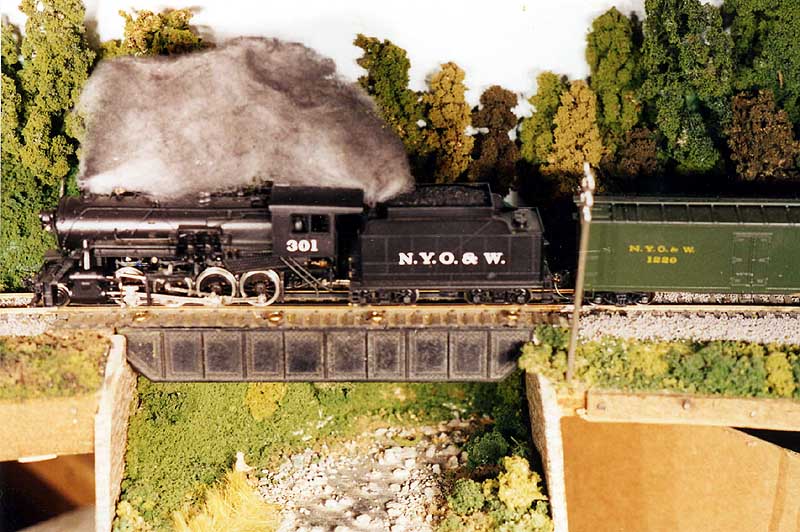
Steam was a way of life on the O&W. A coal and milk carrier that maintained a string of robust coal-burning locomotives of distinctive style and operation. Impressive, noisy, smoke-belching behemoths that caught the eye and ear of the beholder and evoked the wrath of housewives with laundry on backyard clotheslines adjacent to O&W trackage. From roundhouse, to yard, to mainline or siding, join us as we view steam locomotives in action on an O&W model railway.
#1 The O&W was known for its Camelback locomotives. The wide firebox allowed the use of cheap and readily available anthracite. The center cab gave the engineer a better view of the rails ahead. It was the purchase of Class S 2-8-0 “Dickson Hogs” numbered 151-189, 191, 192 that committed the O&W to the camelback concept.
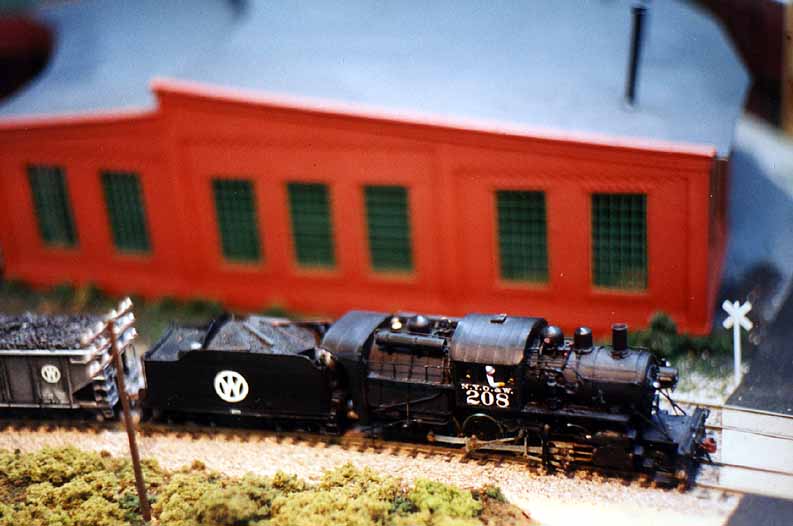
#2 Next came the Class P 2-8-0 Camelbacks #201-220. These brutes hauled coal in the O&W’s heyday when the account books showed black ink.
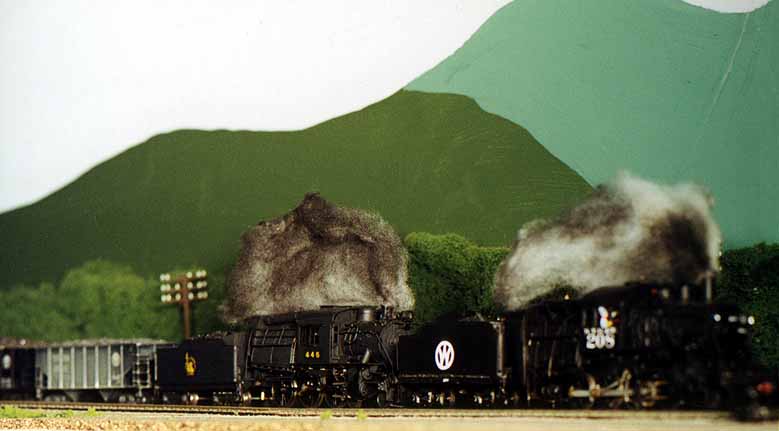
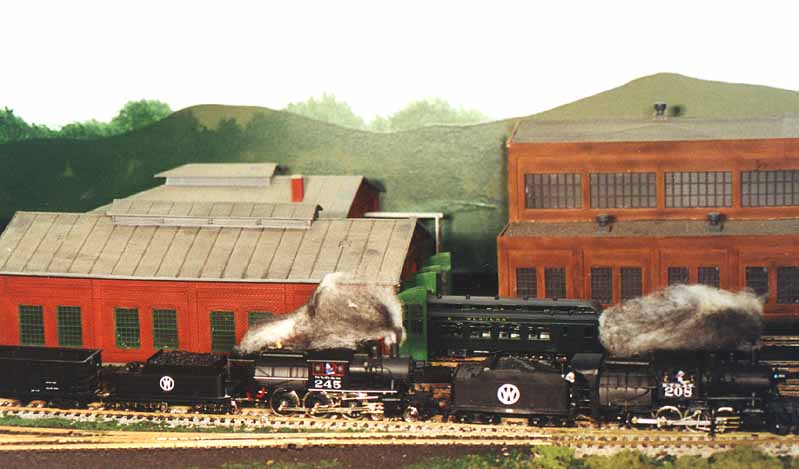
#3 Hauling heavy coal loads required putting more power up front. Here #208 and leased CNJ 4-6-0CB #446 are on their way to Weehawken with coal tonnage.
#4 On the return trip, # 208 assisted by Class U-1 4-6-0CB #245 pull into Middletown with a long string of empty hoppers.
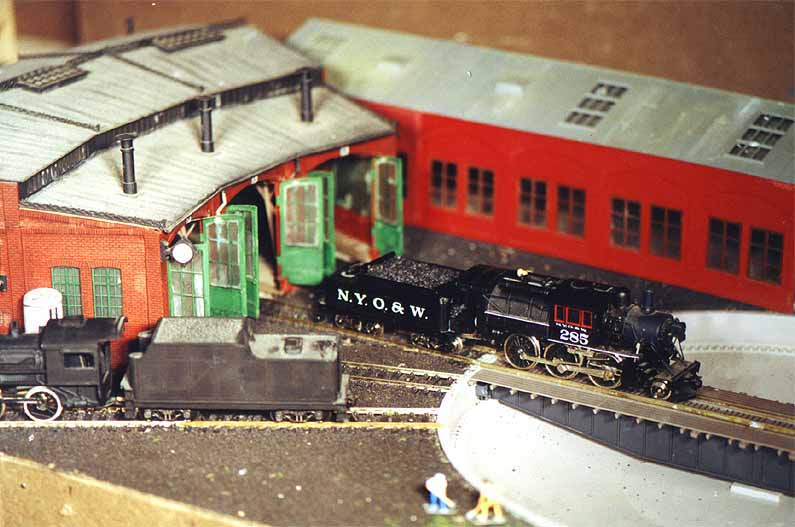
#5 A hostler brings Class V 2-6-0CB #285 out of the roundhouse at Oswego, NY. Such Camelbacks were used for (#6) passenger runs, milk trains / way freights (#7), and switching (#8).
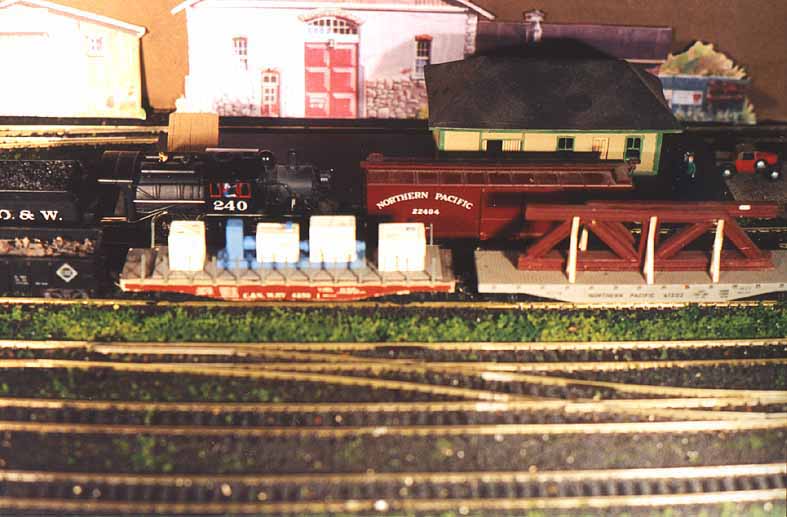
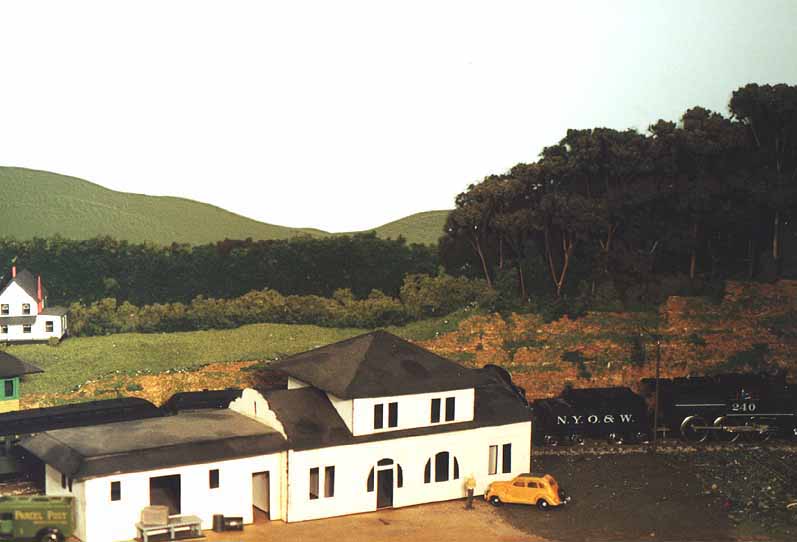
#9 Class U 2-6-0CB #240 waits patiently during the exchange of express freight, mail and passengers at the High View Depot in Bloomingburgh, NY.
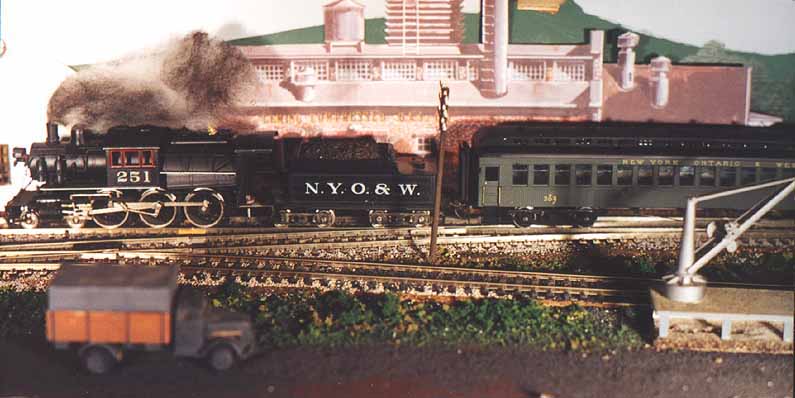
#10 Nine of the Class U 2-6-0CBs were rebuilt as 4-6-0CBs. Redesignated as Class U-1, they were more stable and thus capable of higher speeds.
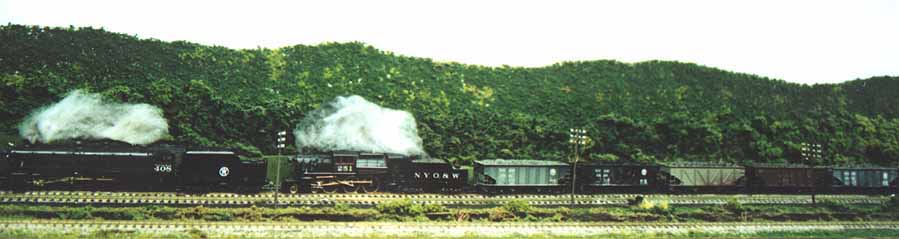
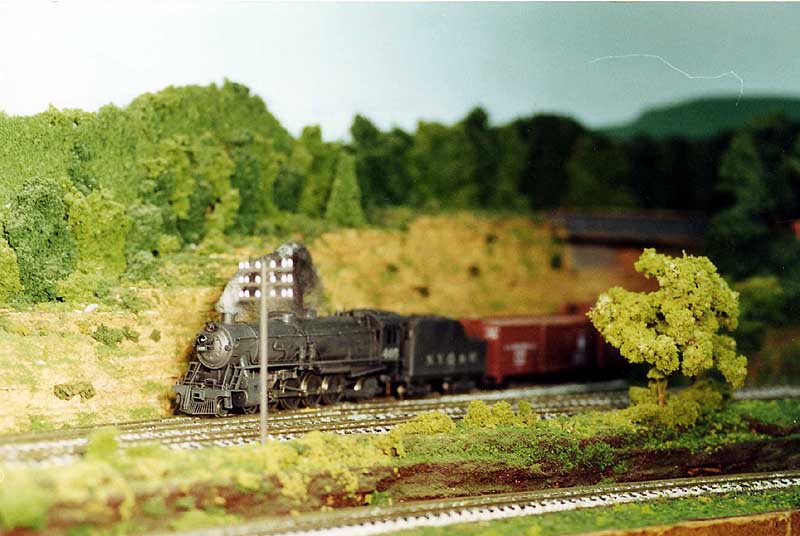
#11 Class U-1 4-6-0CB #251 and Class Y 4-8-2 Mountain #408 doublehead a coal drag.
With a ten car string of varnish heavy Mountain 4-8-2 number 451 scorches the ballast through Teaneck, NJ in August, 1945. One of ten Class Y-2's delivered to the O&W in mid-1929, she did not appear on the West Shore until the New York Central strengthened the bridges between Weehawken and Cornwall.
#12 O&W U-1s and (#13) leased 4-6-0s hauled freight and did way freight switching.
#14 A Class U-1 coasting back down the grade after completing a helper run (#15).
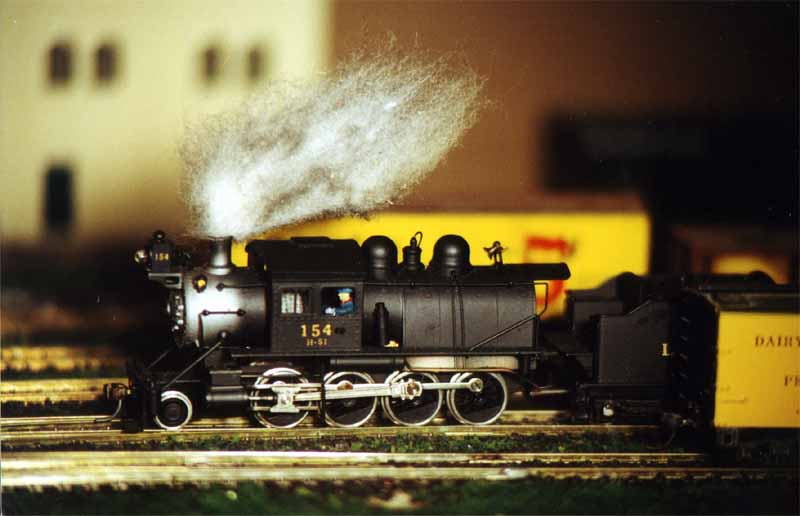
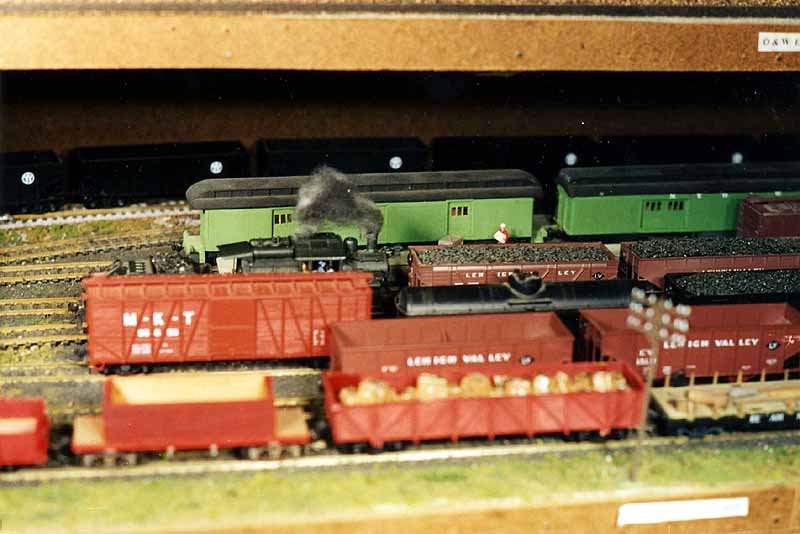
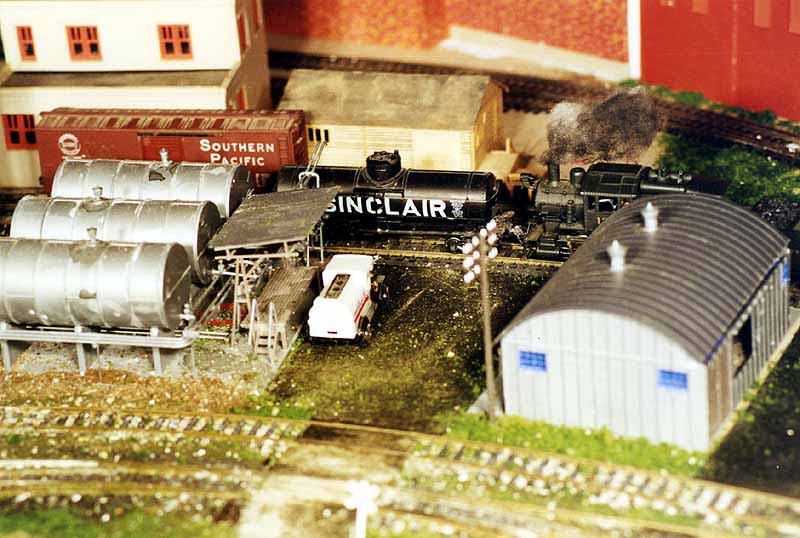
Since there were plenty of Class U, U-1 and P locomotives available for switching, only seven Class L 0-6-0CB switchers were used for making up trains (#16), setting out cars (#17), working the Middletown repair shops (#18) and coaling facilities in Norwich (#19) and Cadosia (#20).
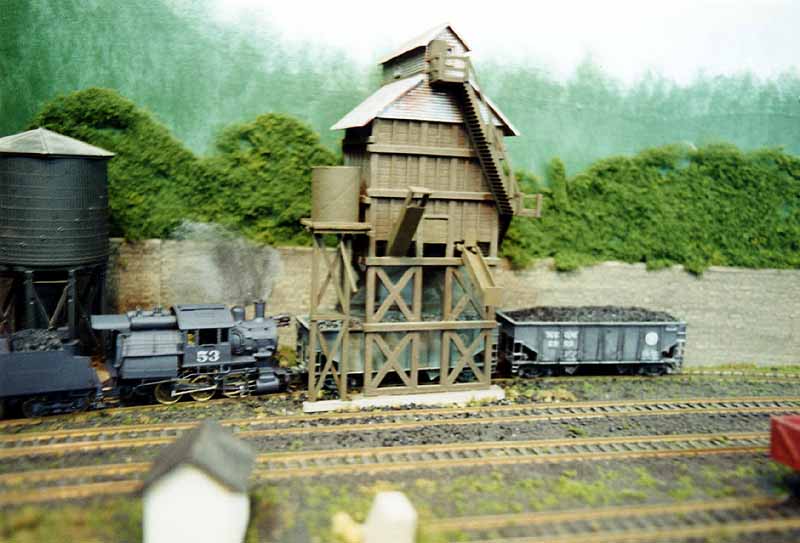
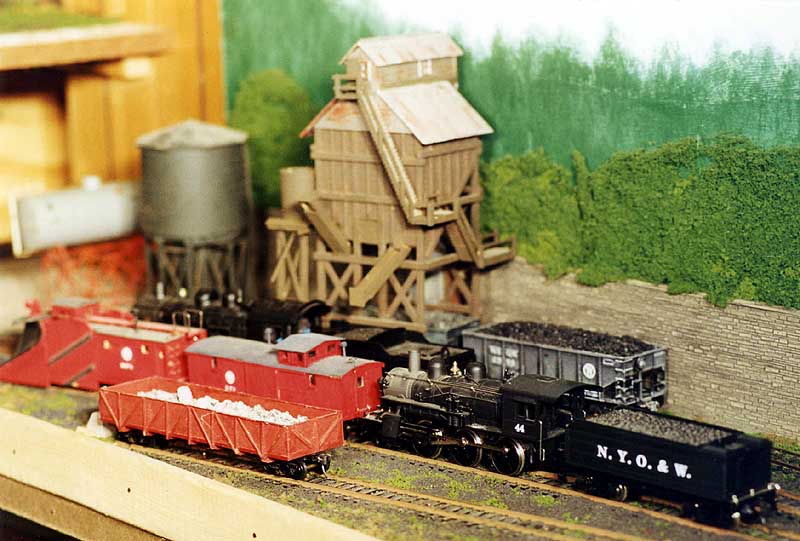
#21 Back cab, narrow fire box locomotives like Class I 2-6-0 Mogul #44 were on the O&W roster as #30 – 44.
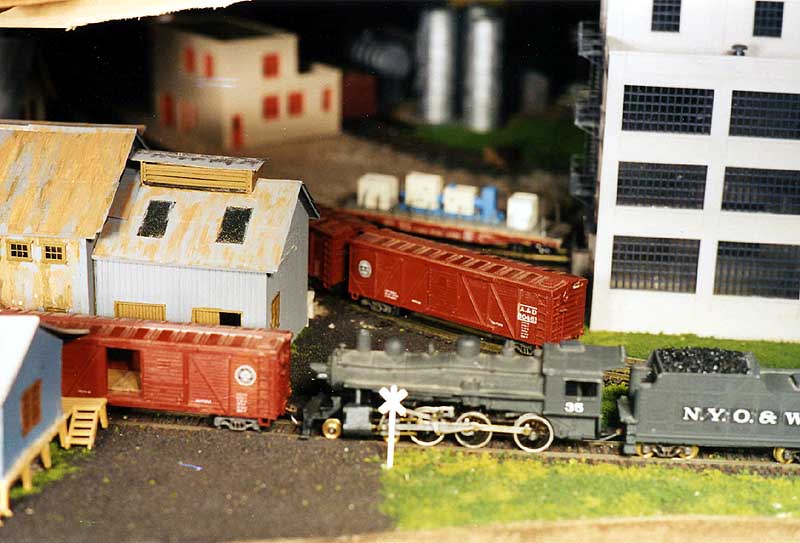
#22 Class I 2-6-0s #30 – 35 were rebuilt as Class I-1 4-6-0s. Shown here is rebuilt #35 setting out cars for Oswego industries.
#23 Back cab Class E 4-6-0 “Tea Kettles” #225 – 228 were crew favorites and provided superb passenger service.
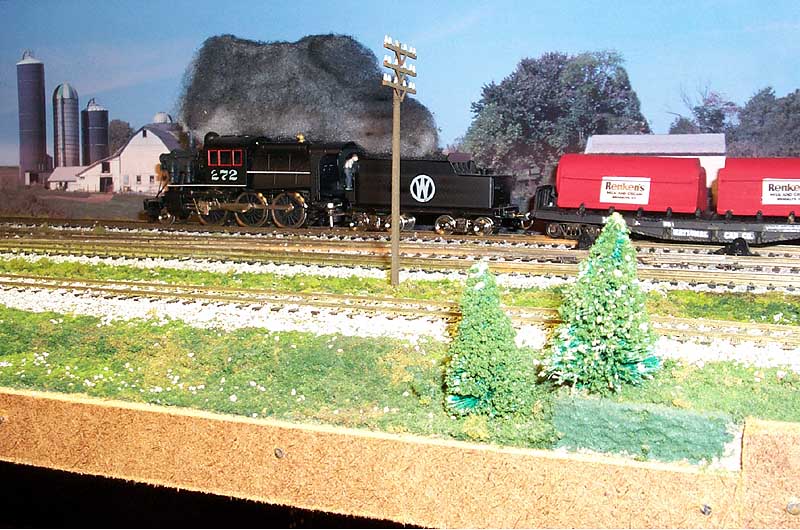
#24 Class W 2-8-0 back cab Consolidations #301- 326 were jack of all trades work horses for the O&W.
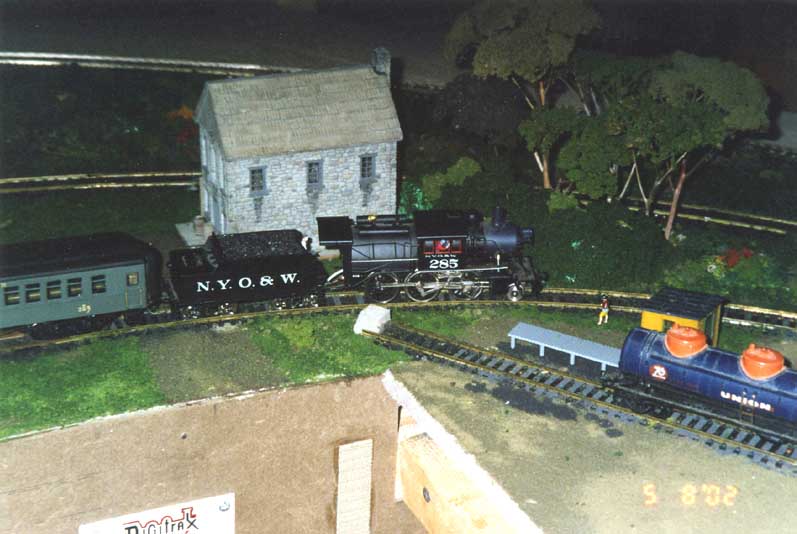
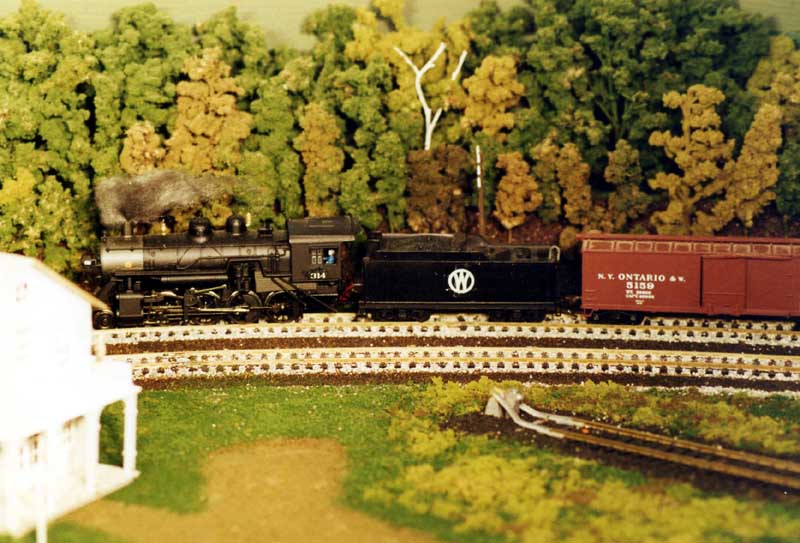
#25 Here Class W #314 hauls a freight around that well known curve just outside Middletown known for the house on the left. Is that one of the ladies on the upper porch waving to the fireman?
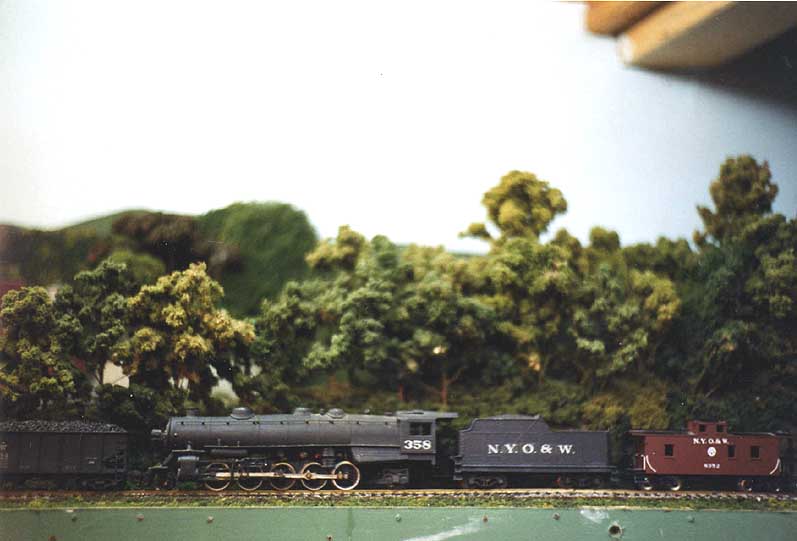
#26 The largest type locomotion on the O&W was the Class X 2-10-2 “affectionately” referred to as the Bullmoose. Powerful, but heavy and hard to fire, these monsters, when not spreading rails, were relegated to hauling/pushing coal drags up severe grades out of Mayfield Yard near Scranton, PA and the grades around Cadosia, NY.
#27 To the rescue came the Schenectady Locomotive Works with the Class Y 4-8-2 Mountains #401-410. Their clean lines and power suited them for both (#28) passenger and (#29) fast freight service.
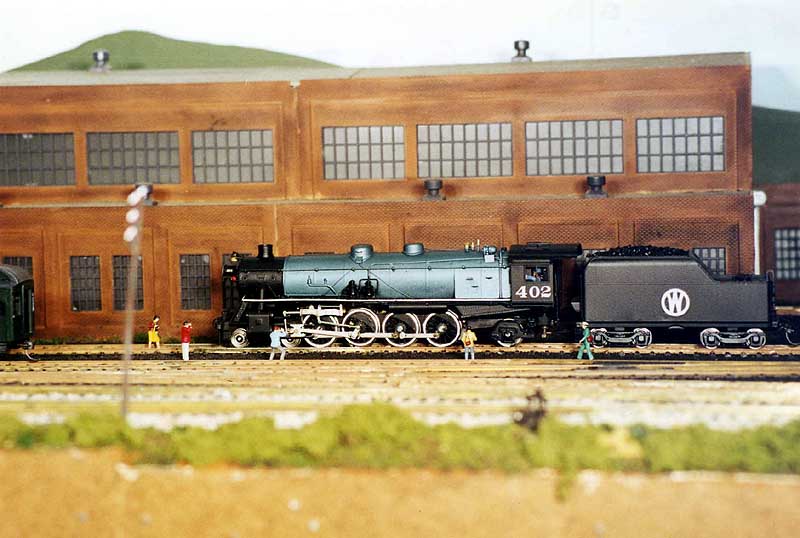
#30 One 4-8-2, #402, was designated as Class Y-1 because of its Franklin trailing truck booster. Shown here as just arrived in Middletown fresh from the factory.
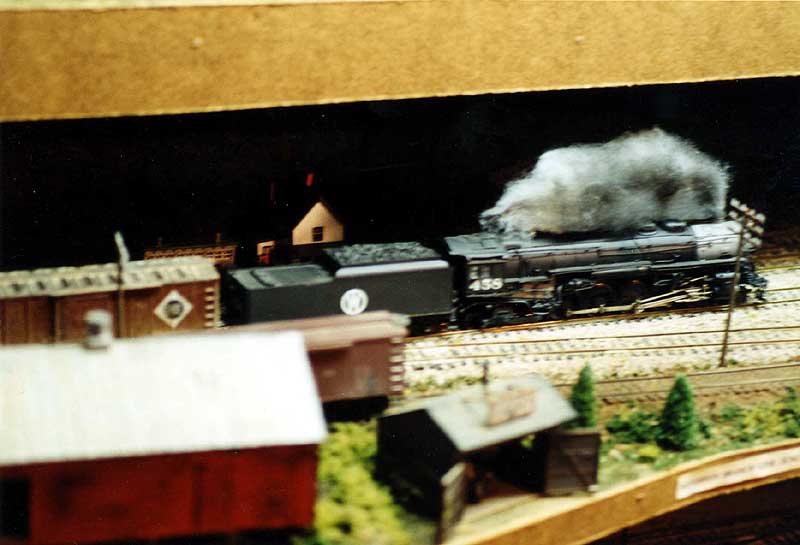
#31 The onset of bridge road traffic to offset the loss of coal and milk tonnage brought about the need for heavier 4-8-2 locomotives known as Class Y-2 numbered 451 – 460.
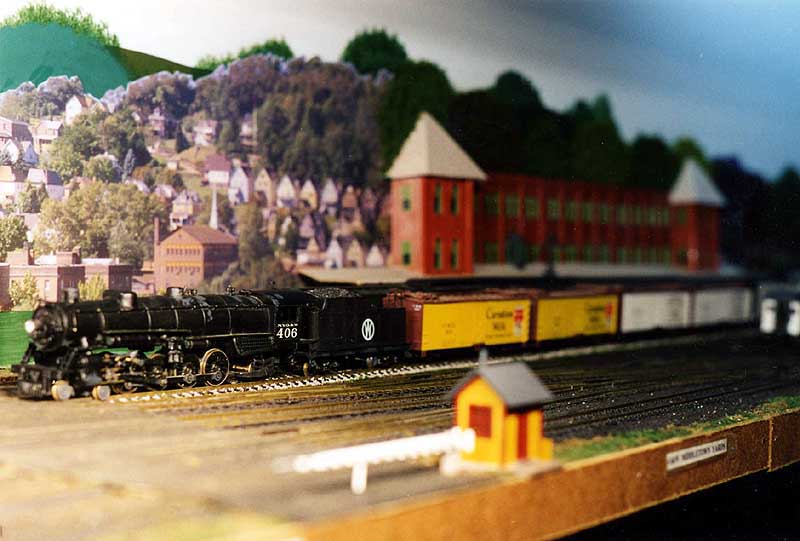
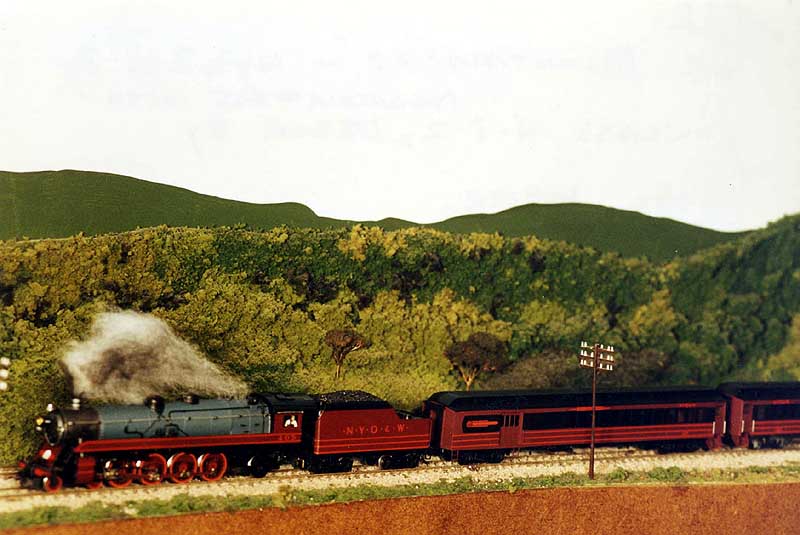
#32 The most famous O&W locomotive was Class Y #405 in “Mountaineer” dress at the head of a colorful summer season “luxury” passenger train to the Catskill resorts. This was the O&W’s answer to increased competition by automobiles and busses due to improved highways.
Steam on the O&W met its demise during the post World War Two era of 1945 – 48. The Railway’s steam locomotives were a constant attraction for railfans from the late 30’s to 1948. Having seen the models in this photo essay, we can see why! Hope you enjoyed it.